
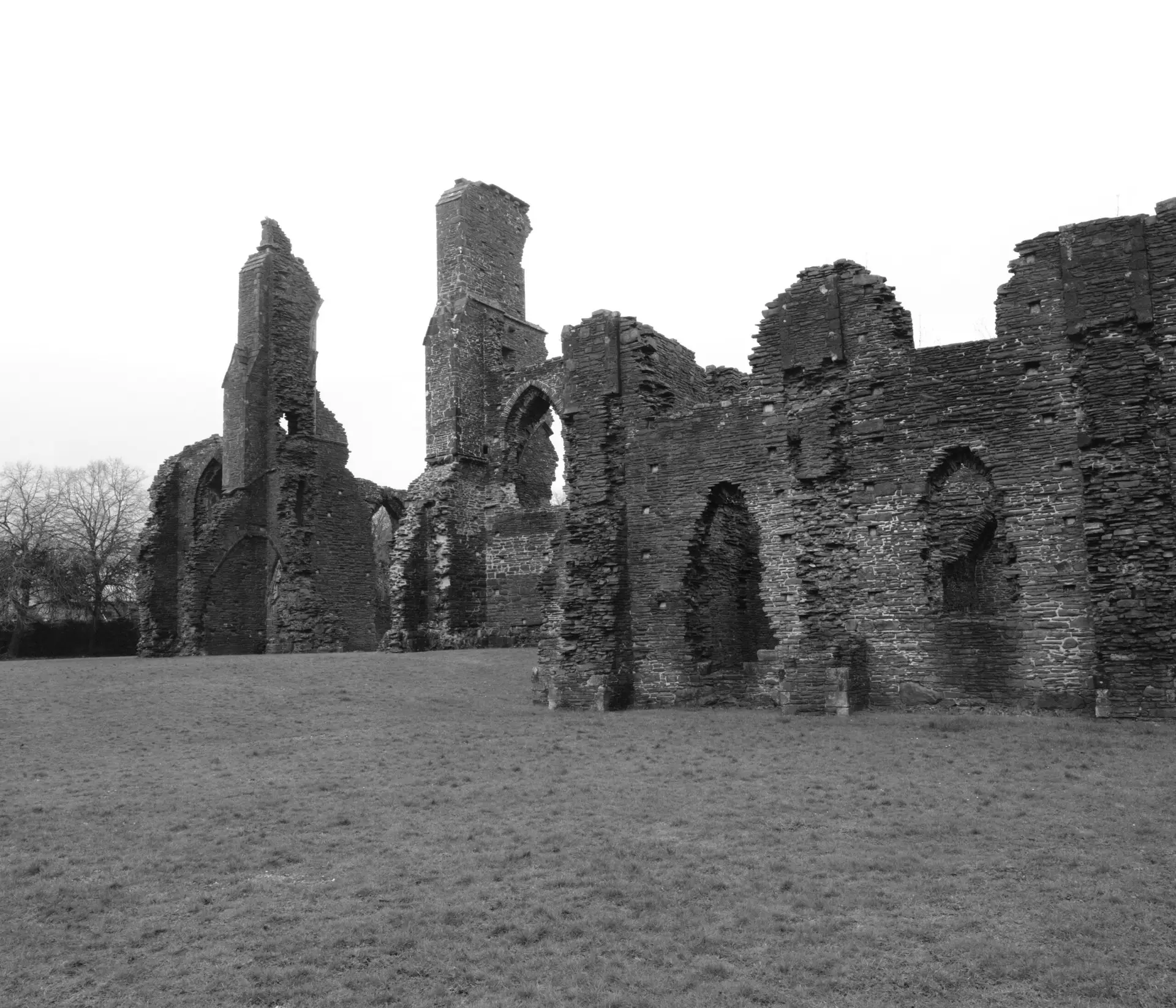
In the dim light of a flickering candle, shadows danced across the stone walls of a secluded cell, where a figure sat hunched over, lost in contemplation. The air was thick with the scent of damp earth and the faintest hint of incense, remnants of prayers whispered into the void. This was no ordinary man; he was known as the Mad Monk of Portugal, a figure shrouded in legend and mystery. His life, marked by extreme devotion and isolation, has become a tapestry woven with threads of faith, madness, and the human spirit’s quest for meaning. As the years have passed, his story has faded into the recesses of history, yet it continues to evoke curiosity and reverence.
The Mad Monk’s tale begins in a time when the world was steeped in superstition and fervent belief. Born in the late 12th century, he emerged from humble beginnings, a child of the earth who felt an unquenchable thirst for spiritual enlightenment. His early years were marked by a restless spirit, one that sought solace in the teachings of the Church but found little comfort in the bustling life of society. The cacophony of daily existence clashed with his yearning for peace, leading him to retreat into the wilderness, where he would eventually carve out a life defined by solitude and prayer.
As he distanced himself from the world, the Mad Monk became a recluse, choosing to live in a small cell carved into the rock face of a remote hillside. The air was crisp with the chill of autumn, and the leaves rustled softly in the wind as he settled into his new existence. For decades, he remained in this self-imposed exile, refusing to leave his sanctuary even as time slipped away like sand through his fingers. The outside world continued to spin, but within his cell, time held little meaning. He embraced this isolation as a means to deepen his connection with God, believing that true enlightenment could only be found in silence and solitude.
The life of a hermit is often romanticized, yet it is fraught with challenges that test the very fabric of one’s being. The Mad Monk faced these trials with unwavering resolve. His days were filled with prayer and meditation, punctuated by moments of introspection that would stretch into hours. The walls of his cell bore witness to his struggles—moments of doubt that crept in like shadows during twilight, whispering temptations of despair. Yet he remained steadfast, convinced that his suffering was a path to divine understanding. The scent of wild herbs wafted through the air as he foraged for sustenance, each meal a humble offering to his faith.
In medieval times, hermits were often seen as figures of wisdom and piety, their lives dedicated to spiritual pursuits far removed from worldly distractions. The Mad Monk’s existence mirrored this archetype, yet it was also marked by an intensity that set him apart. His refusal to engage with society for decades raised eyebrows among those who caught wind of his legend. Some viewed him as a saintly figure, while others whispered of madness—a man so consumed by his faith that he had lost touch with reality. The truth lay somewhere in between; he was both a seeker of divine truth and a man grappling with the complexities of human existence.
The mystique surrounding the Mad Monk grew over time, fueled by tales that blurred the lines between fact and fiction. Stories circulated about miraculous events attributed to him—healing the sick with a mere touch or foreseeing future events through visions granted by divine grace. These accounts were often embellished by those who sought to elevate his status within the community. Yet beneath these layers of myth lay a man whose life was defined by profound spiritual experiences and an unwavering commitment to his beliefs. The air around him seemed charged with an energy that drew people near, even as he remained physically distant.
As whispers of his existence spread beyond the confines of his cell, curious souls ventured into the wilderness seeking guidance from the Mad Monk. They arrived with questions heavy on their hearts, seeking solace in his wisdom. He welcomed them with open arms, offering insights that transcended the boundaries of conventional thought. His words resonated deeply with those who sought answers in an uncertain world. In these fleeting encounters, he became a bridge between the divine and humanity—a conduit for those yearning for connection amidst their own struggles.
The spiritual journey of the Mad Monk was not without its complexities. His beliefs were shaped by a deep understanding of suffering and redemption, concepts that permeated his thoughts as he grappled with his own inner demons. He often spoke of the necessity of embracing pain as a means to achieve spiritual growth—a philosophy that resonated with many who sought meaning in their own hardships. The flickering candlelight illuminated his face as he shared these insights, revealing a man who had wrestled with doubt yet emerged with an unwavering faith that inspired those around him.
The legacy of the Mad Monk extends far beyond his solitary existence; it is woven into the fabric of Portuguese history and spirituality. His influence can be seen in the writings of later mystics who drew inspiration from his life and teachings. They echoed his sentiments about solitude as a path to enlightenment and emphasized the importance of inner reflection in an increasingly chaotic world. The Mad Monk’s story became a touchstone for those seeking solace in their own spiritual journeys—a reminder that even in isolation, one can find profound connection with the divine.
Yet even as his legacy flourished, questions lingered about the enigma that was the Mad Monk. What drove him to such extremes? Was it true devotion or an escape from reality? These inquiries remain unanswered, shrouded in layers of time and interpretation. Scholars have debated his motivations for centuries, attempting to unravel the complexities of a man who defied societal norms in pursuit of something greater than himself. The truth may never be fully known; perhaps it lies within the very essence of faith itself—an elusive concept that defies definition.
The hermit’s cell stands today as a testament to his life—a simple structure nestled against the rugged landscape that once cradled his spirit. Visitors often find themselves drawn to this sacred space, where echoes of prayer still linger in the air like whispers from another time. The walls are etched with symbols of devotion, remnants left behind by those who sought inspiration from his story. As they stand within this sanctuary, they can almost feel the weight of solitude pressing down upon them—a reminder of both the beauty and burden that comes with seeking truth.
The enduring appeal of the Mad Monk lies not only in his extraordinary life but also in the universal themes that resonate within it—faith, isolation, and the quest for meaning. In an age marked by noise and distraction, his story serves as a poignant reminder of the power found in stillness and reflection. It invites individuals to explore their own spiritual journeys and confront their inner struggles with courage and authenticity. The Mad Monk’s legacy continues to captivate hearts and minds, transcending time and space as it weaves its way into contemporary discussions about spirituality and devotion.
As we honor the memory of this remarkable figure, we are reminded that every life holds within it a story worth telling—a narrative shaped by choices made in pursuit of something greater than oneself. The Mad Monk’s journey invites us to reflect on our own paths and consider what sacrifices we are willing to make in search of truth. In celebrating his life and legacy, we acknowledge not only his struggles but also our shared humanity—a testament to the enduring spirit that connects us all across time and distance.